A practical, cost-conscious approach often combines DIY testing for stable materials with professional handling for anything friable or confirmed as needing removal.
The split works because the two halves of the job have very different risk profiles. Taking a small sample from an intact material is a brief, controlled, low-release task that a careful homeowner can do properly. Removing that material is a sustained, high-release operation that depends on containment, negative air pressure, trained handling and verified cleanup. Paying for the second does not mean you have to pay for the first.
- DIY testing is reasonable for initial identification of stable, non-friable materials.
- Professional handling is appropriate once removal or disturbance of confirmed material is needed.
- This combined approach balances cost savings with safety for the higher-risk portion of the process.
- Don’t extend DIY methods beyond initial testing into actual removal work.
DIY Testing for Stable Materials
For materials that appear stable, intact, and non-friable, DIY mail-in sample collection is a reasonable, cost-effective first step for initial identification.
Stable, intact and non-friable is a real test rather than a figure of speech. Friable material crumbles under hand pressure when dry, which is why pipe lagging, deteriorating ceiling texture and old insulation sit in a different category from a sound vinyl tile. If the material is already shedding, crumbling, hanging loose or water-damaged, sampling it yourself means disturbing something that is already releasing fibers, and that is the point at which even the testing step should be handed over.
Professional Handling for Friable or Confirmed Materials
Once a material is confirmed as asbestos-containing and either friable or needs removal/disturbance for a renovation, hand this off to a certified professional rather than continuing with DIY methods beyond initial testing.
Where the Handoff Line Actually Sits
Hand the work over at the first of these, not the last:
- The material is friable, damaged, water-affected or already shedding
- The work involves cutting, sanding, drilling, scraping or breaking the material
- The material is pipe, boiler or duct insulation, or vermiculite attic insulation
- The area is large, or the material is spread across several rooms
- Your local rules require licensed abatement for the material in question
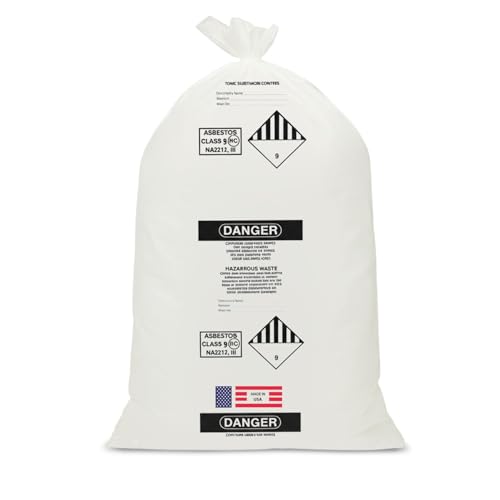
That last point is easy to miss. Requirements vary considerably between states and municipalities, and some jurisdictions restrict work that others permit a homeowner to do in their own residence. Notification and permitting requirements can apply even where the work itself is allowed, and disposal is regulated separately, since asbestos waste generally cannot go out with household trash and has to be double-bagged, labeled and taken to a facility that accepts it.
What Professional Abatement Includes That DIY Cannot
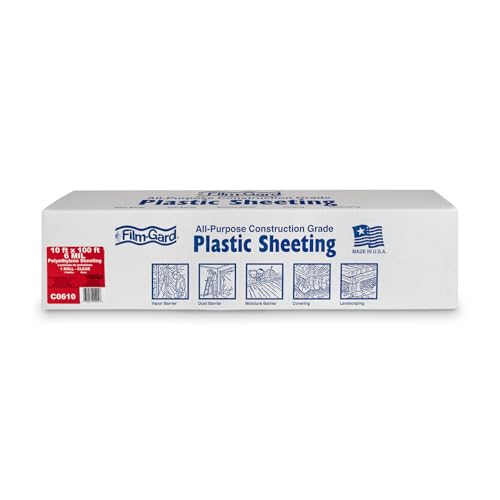
The line item most homeowners underestimate is not the removal itself but everything wrapped around it: sealed containment of the work area, negative air machines running HEPA filtration, wetting throughout, controlled waste packaging, and air clearance testing afterwards to demonstrate the space is safe to reoccupy. That last step is the one a homeowner cannot replicate, and it is what turns finished work into documented finished work.
It is also worth using an independent party for the clearance testing rather than the contractor who performed the removal, so the verification is not being carried out by the party being verified [1].
A Sensible Combined Strategy
This combined approach — DIY for cost-effective initial identification, professional for anything requiring actual disturbance or removal — balances cost savings with appropriate safety for the higher-risk portion of the process.
One caution on sequencing: get the testing done before demolition is scheduled, not after it has begun. Discovering asbestos mid-renovation converts a planned job into an emergency, usually stops the trade work entirely, and can mean the area already worked on needs cleaning as well.
FAQ
Can I do all my own asbestos testing and skip professionals entirely?
For initial identification of stable materials, yes. But hand off anything friable, damaged, or requiring actual removal to a certified professional.
Can I remove a few floor tiles myself if they test positive?
Sometimes legally, rarely wisely. Intact non-friable tile is the lowest-risk case and some jurisdictions permit homeowner removal, but breaking tile free almost always fractures it, and the mastic underneath is a separate asbestos-containing material with its own handling problems.
Do I need testing if I am going to hire an abatement contractor anyway?
You need a result, but you do not necessarily need to produce it yourself. What is worth avoiding is having the same company both diagnose the problem and quote to fix it with no independent result anywhere in the chain.
Can I encapsulate rather than remove?
Often yes. Encapsulation and enclosure are accepted approaches for material in good condition, they cost less and release less than removal, and they leave the material in place to be managed and disclosed later.
This combined approach requires accurately assessing material condition — when uncertain, err toward professional involvement.
References
- Protect Your Family from Exposures to Asbestos. U.S. Environmental Protection Agency
These statements have not been evaluated by the Food and Drug Administration. This information is not intended to diagnose, treat, cure, or prevent any disease. Content is for informational purposes only and is not medical advice; consult a qualified healthcare provider before starting any supplement. As an Amazon Associate we earn from qualifying purchases.
