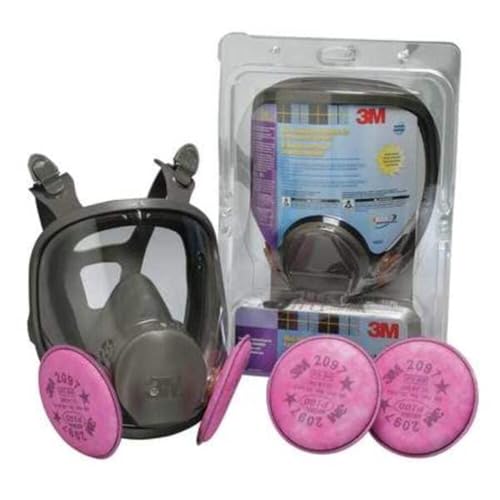
Asbestos has one of the most extensively documented occupational exposure histories of any environmental health hazard, worth understanding alongside residential context.
- Occupational exposure history forms the bulk of foundational asbestos epidemiological research.
- Historic take-home exposure via contaminated work clothing is a well-documented pathway.
- Workplace hygiene practices (changing clothes, showering) address this specific pathway.
- Mention occupational exposure history to a physician as relevant context for respiratory health conversations.
Occupational Exposure Contexts
Historic occupational exposure in industries like shipbuilding, construction, insulation work, and certain manufacturing carries well-documented, often much higher cumulative exposure than typical residential scenarios, forming the bulk of the foundational epidemiological research on asbestos-related disease.
Combined Exposure and Take-Home Considerations
Workers in asbestos-exposed occupations historically brought home fiber-contaminated work clothing, creating documented “take-home” exposure for family members — a historically significant pathway that led to specific workplace hygiene requirements (changing clothes, showering before leaving work) still relevant today.

Why Occupational History Matters for Personal Risk Assessment
If you or a family member has a history of occupational asbestos exposure, mentioning this to a physician provides relevant context for any respiratory health conversation, separate from your current home’s asbestos-containing material status.

What an Exposure History Usually Needs to Contain
The closing point above, that occupational history is worth mentioning to a physician, is easy to agree with and easy to do badly. Recalled in a consultation from memory it tends to come out as a job title and a rough decade, which is thin material for a clinician. Written down beforehand it becomes something more useful, and the writing down is the part you can do without any medical knowledge at all.
The elements that tend to matter are the industry and the specific role rather than only the employer, the approximate period and duration, what the work physically involved, whether respiratory protection was used and of what kind, and whether the setting was enclosed or open. Second-hand and household exposure belongs in the same document, since the take-home pathway described above means a family member’s work can be part of another person’s history.
Keeping It as a Living Record
This is worth treating as a document that persists rather than a note made once. Details are easiest to reconstruct while the people who remember them are available to ask, and hardest to reconstruct later, which argues for writing it while it still feels unnecessary. Relatives can often fill in gaps about work that predates your own memory of it.
Keep it with your other health records and bring it to appointments where respiratory health is being discussed, rather than waiting to be asked. If you have specific concerns about past exposure, an occupational health specialist or your own physician is the right person to interpret any of it. A written history is context for that conversation, and nothing in it is a diagnosis or a substitute for one.
FAQ
What is ‘take-home’ asbestos exposure?
This refers to fiber-contaminated clothing brought home from an occupational exposure source, historically exposing family members separately from the home’s own materials.
Should household members of an exposed worker keep their own history?
It can be reasonable, given that take-home exposure is a documented pathway. Recording the worker’s role and period alongside the household connection gives a clinician the context to weigh it.
What if I cannot remember details of work from decades ago?
Write down what you do recall and mark what is uncertain rather than guessing. Approximate and clearly labeled as approximate is more useful to a clinician than confident detail that may be wrong.
For occupation-specific exposure questions, consult an occupational health specialist or your employer’s safety program.
These statements have not been evaluated by the Food and Drug Administration. This information is not intended to diagnose, treat, cure, or prevent any disease. Content is for informational purposes only and is not medical advice; consult a qualified healthcare provider before starting any supplement. As an Amazon Associate we earn from qualifying purchases.