Asbestos can lurk in many older building materials, and knowing which products help you identify, contain, and remove it safely is essential for any homeowner planning a renovation or repair. This guide walks you through the main product categories you’ll encounter, what features to look for, and how to match them to the size and complexity of your project.
We focus on practical, non‑brand‑specific advice so you can make informed purchasing decisions without hype. Remember that no consumer product can guarantee complete hazard elimination; professional testing and licensed abatement remain the gold standard for high‑risk situations.
- Define project size and material friability before purchasing any product.
- Use NIOSH‑approved P100 respirators and disposable, asbestos‑rated coveralls.
- Seal the work area with 6‑mil polyethylene and run a HEPA‑filtered negative‑pressure unit.
- Wet the material, apply certified encapsulants only when removal isn’t required, and double‑bag all waste.
- When in doubt — especially with friable or large‑scale ACM — call a licensed abatement professional.
Assessing Your Project Scope
Before buying anything, define the scale of work: a single pipe insulation patch, a whole‑room popcorn ceiling, or a full‑house siding removal. Small, isolated jobs may only need basic personal protective equipment (PPE) and a wet‑spray bottle, while larger projects demand full containment, negative‑pressure enclosures, and HEPA‑rated filtration. Write down the material type, approximate square footage, and whether the material is friable (easily crumbled) or non‑friable, because that determines the level of control required.
Check local regulations and permitting requirements. Many municipalities require a notification or permit for any disturbance of asbestos‑containing material (ACM) above a certain threshold, and some prohibit DIY removal entirely for friable products. Knowing the legal framework early prevents costly fines and ensures you purchase the right level of containment supplies.
If you are unsure about the presence or condition of asbestos, invest in a professional inspection first. A certified inspector can provide a laboratory report that tells you exactly what you’re dealing with, which in turn guides every product choice downstream. Skipping this step often leads to over‑ or under‑buying and can increase exposure risk.
Personal Protective Equipment (PPE) Essentials
Respiratory protection is the single most critical item. Look for a NIOSH‑approved half‑face or full‑face respirator equipped with a P100 (HEPA) filter cartridge. Fit testing is mandatory; a poorly sealed mask lets fibers bypass the filter. Disposable N95 masks are not sufficient for asbestos work. OSHA prohibits filtering facepiece respirators outright for use against asbestos fibers, and requires HEPA filters on air‑purifying respirators[1], so this is a regulatory bar rather than a judgment call about filter efficiency.
Protective clothing should be disposable, non‑woven coveralls with integrated hoods, boot covers, and elastic cuffs. Choose garments labeled for asbestos or hazardous dust work. OSHA specifies the categories of protective clothing required for this work without naming a product standard[1], so judge a suit on its construction: an integrated hood, sealed seams, elastic cuffs, and boot covers. Double‑layering (a coverall over a Tyvek suit) adds a safety margin for longer jobs.
Gloves, goggles, and hearing protection round out the kit. Nitrile or neoprene gloves resist tearing and chemical exposure from encapsulants. Indirect‑vented goggles prevent fiber entry around the eyes. If you’ll be using power tools for removal, add earplugs or earmuffs to protect hearing.


Containment, Negative‑Pressure, and Air‑Filtration Supplies
Containment barriers isolate the work area from the rest of the house. Heavy‑duty polyethylene sheeting (6‑mil or thicker) taped to walls, floors, and ceilings creates a sealed envelope. Use zippered or Velcro‑sealed entry flaps to maintain integrity when workers move in and out.
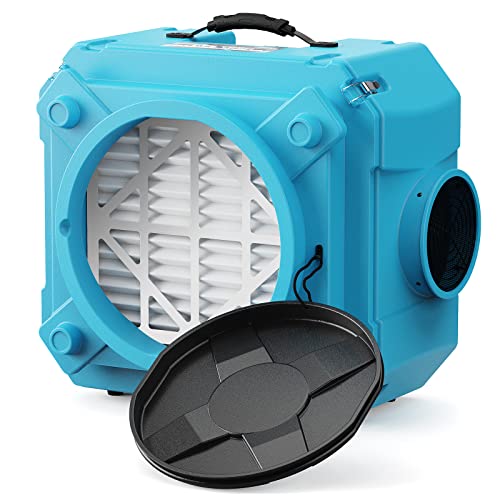
Negative‑pressure machines (also called air scrubbers) pull contaminated air through HEPA filters and exhaust it outside. Size the unit to achieve at least 4 air changes per hour in the containment volume; a typical 12‑by‑12‑foot room needs a 500‑CFM unit. Verify the unit’s HEPA filter is certified to 99.97% efficiency at 0.3 microns.
Portable HEPA vacuums are essential for cleaning surfaces and tools inside the containment [2]. Choose a model with a sealed, disposable filter bag and a certified HEPA rating. Do not use standard shop vacuums; they can re‑aerosolize fibers.
Wet‑Method, Encapsulation, and Clean‑Up Materials
Wetting ACM before disturbance dramatically reduces airborne fibers. A low‑pressure sprayer filled with amended water (water plus a surfactant) provides a fine mist that penetrates the material without creating runoff. Look for sprayers rated for continuous use and compatible with the surfactant you select.
Encapsulants are liquid coatings that lock fibers in place when removal isn’t feasible. Products should be labeled for asbestos encapsulation, meet EPA’s “asbestos encapsulant” performance criteria, and be applied per manufacturer thickness specifications. They are not a substitute for removal in high‑risk or friable situations.
After work, use disposable wet‑wipes, HEPA‑rated vacuum bags, and sealed disposal bags (6‑mil polyethylene with “Asbestos” labeling) for all contaminated PPE, sheeting, and debris. Double‑bagging and tape‑sealing each bag prevents fiber release during transport.
Waste Packaging, Labeling, and When to Hire a Professional
All asbestos waste must be packaged in leak‑tight, labeled containers that meet DOT and state hazardous‑waste regulations [3]. Typical packaging includes 6‑mil polyethylene bags, rigid drums, or lined roll‑off containers for large volumes. Each container must display the proper asbestos warning label and the generator’s information.
Transport and disposal usually require a licensed hazardous‑waste hauler and a permitted landfill. Verify that your local landfill accepts asbestos and understand any pre‑acceptance paperwork. Improper disposal can result in significant penalties and environmental liability.
If the project involves friable material, large surface areas, or you lack the equipment to maintain negative pressure, hire a licensed asbestos abatement contractor. Professionals bring certified workers, approved containment systems, and documented waste manifests — safeguards that DIY kits cannot replicate.
FAQ
Can I use a regular N95 mask for asbestos work?
No, and the reason is the respirator class rather than the filter rating. OSHA does not permit filtering facepiece respirators, the disposable category an N95 belongs to, to be selected for work against asbestos fibers, and it requires HEPA filters on air‑purifying respirators[1]. Use a NIOSH‑approved half‑face or full‑face respirator fitted with P100 cartridges, fit tested to you.

What thickness of polyethylene sheeting is recommended for containment?
At least 6‑mil (0.006 inch) heavy‑duty polyethylene is standard; thicker sheeting offers more durability for longer projects.
Are consumer‑grade encapsulants effective for all asbestos types?
Encapsulants are only approved for specific non‑friable applications and must meet EPA performance criteria; they are not a universal solution for friable or heavily damaged material.
How do I know if I need a permit for asbestos removal?
Check your city or county building department; many jurisdictions require a permit or notification for any disturbance of ACM above a small threshold, and some ban DIY removal of friable material entirely.
This guide provides general product information only; it does not replace professional testing, licensed abatement, or compliance with local regulations. Always consult a certified asbestos inspector or abatement contractor before disturbing suspected asbestos‑containing materials.
References
- 1926.1101 – Asbestos. Occupational Safety and Health Administration, 29 CFR 1926.1101
- Protect Your Family from Exposures to Asbestos. U.S. Environmental Protection Agency
- Overview of the Asbestos National Emission Standards for Hazardous Air Pollutants (NESHAP). U.S. Environmental Protection Agency
These statements have not been evaluated by the Food and Drug Administration. This information is not intended to diagnose, treat, cure, or prevent any disease. Content is for informational purposes only and is not medical advice; consult a qualified healthcare provider before starting any supplement. As an Amazon Associate we earn from qualifying purchases.
