Finding a reliable asbestos contractor is one of the most important decisions a homeowner can make when dealing with suspected asbestos-containing materials. The right professional will follow regulations, protect your household, and provide clear documentation of the work performed.
This guide walks you through the key criteria — licensing, experience, safety practices, insurance, and cost transparency — so you can compare companies confidently and avoid common pitfalls.
- Confirm a current state asbestos abatement license and relevant EPA/AHERA certifications before hiring.
- Request and check at least two recent references for similar residential projects.
- Obtain a detailed written estimate that lists every phase, including third‑party clearance testing.
- Verify insurance coverage and ask for proof of proper waste handling and air monitoring procedures.
Verify Licensing and Certification
Most states require asbestos abatement contractors to hold a specific license issued by the environmental or health department. Ask for the license number and confirm it on the issuing agency’s website; an active license indicates the company has met minimum training and competency standards.
In addition to a state license, look for certifications from recognized organizations such as the EPA’s Asbestos Hazard Emergency Response Act (AHERA) training program or the National Institute for Occupational Safety and Health (NIOSH) approved courses. These credentials show that workers have completed standardized coursework on containment, removal, and disposal procedures.
If a contractor cannot produce a current license or relevant certifications, treat that as a red flag and continue your search.
Check Experience and References
Ask how many years the company has performed asbestos abatement and request a list of recent projects similar in size and complexity to yours. Experience with residential work, especially in homes of the same vintage, is a good indicator that the crew knows the typical locations of asbestos (e.g., pipe insulation, floor tiles, popcorn ceilings).
Contact at least two references and ask about timeliness, communication, cleanliness of the work site, and whether the final clearance testing passed on the first attempt. A reputable contractor will gladly provide references and may even share photos of completed containment setups.
Be wary of firms that only offer vague descriptions of past work or that pressure you to sign a contract before you have verified their track record.
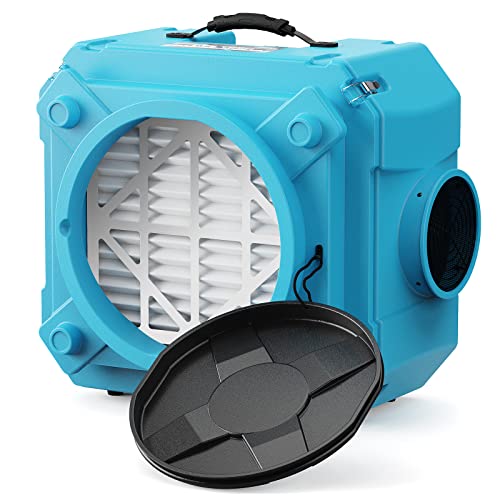
Understand the Scope of Work and Written Estimates
A thorough estimate should itemize each phase: initial inspection, containment setup, removal, waste packaging, disposal fees, and final clearance testing. It should also specify the type of containment (e.g., negative‑pressure enclosure, glove bag) and the personal protective equipment (PPE) the crew will use.
Ask whether the quote includes the cost of an independent third‑party air monitoring professional. Some contractors bundle this service, while others require you to hire a separate hygienist. Clarify who is responsible for obtaining any required permits.
Never accept a verbal estimate. A detailed written proposal protects both parties and makes it easier to compare bids side by side.
Evaluate Safety Practices and Insurance
Confirm that the contractor carries general liability insurance and workers’ compensation coverage specific to asbestos work. Request a certificate of insurance and verify the policy limits; typical minimums are $1 million per occurrence for liability and statutory limits for workers’ comp.

Inquire about the company’s decontamination procedures for workers and equipment, and how they handle waste transport to an approved landfill. Proper waste manifests and chain‑of‑custody documentation are legal requirements and a sign of a disciplined operation.
Ask whether the crew performs daily air monitoring inside the containment area and whether they will provide you with the final clearance report from an accredited laboratory.
Compare Costs and Avoid Low‑Bid Traps
Typical residential asbestos removal projects range from $1,500 to $30,000 depending on the amount of material, accessibility, and local disposal fees. A quote that is dramatically lower than the average often signals shortcuts — such as skipping negative‑pressure containment, using untrained labor, or disposing of waste illegally.

When comparing bids, line up the same scope items. If one estimate omits clearance testing or permit fees, add those costs to make an apples‑to‑apples comparison. Remember that the cheapest option can become the most expensive if re‑work or regulatory fines are required.
Negotiate a payment schedule tied to milestones (e.g., 30 % deposit, 40 % after containment is verified, 30 % after clearance). Avoid paying the full amount upfront.
FAQ
Do I need a separate inspector before hiring a removal contractor?
Yes. An independent asbestos inspector can confirm the presence, type, and extent of asbestos‑containing materials, giving you an unbiased scope for contractors to bid on. This also helps avoid unnecessary removal of non‑asbestos materials.
What is a clearance test and who should perform it?
A clearance test measures airborne fiber concentrations after removal to verify that the area meets regulatory limits (typically <0.01 fibers/cc). It should be conducted by a certified industrial hygienist or accredited laboratory, not by the removal crew.
Can I remove a small amount of asbestos myself?
Most jurisdictions prohibit DIY removal of friable asbestos (material that crumbles easily). Non‑friable materials in good condition may be left in place or encapsulated, but any disturbance usually requires a licensed professional [1]. Check your local regulations before attempting any work.
How long does a typical residential abatement take?
A single‑room project (e.g., popcorn ceiling removal) often takes 1–3 days for containment, removal, and clearance. Whole‑house projects can span one to two weeks depending on the volume of material and access constraints.
This article provides general guidance for homeowners; it does not replace local regulations or professional advice. Always verify licensing, insurance, and clearance testing requirements with your state or municipal environmental agency, and hire a licensed asbestos abatement contractor for any removal work.

References
- Protect Your Family from Exposures to Asbestos. U.S. Environmental Protection Agency
These statements have not been evaluated by the Food and Drug Administration. This information is not intended to diagnose, treat, cure, or prevent any disease. Content is for informational purposes only and is not medical advice; consult a qualified healthcare provider before starting any supplement. As an Amazon Associate we earn from qualifying purchases.
