Many homeowners discover asbestos-containing materials during renovations and feel compelled to handle the situation themselves. While a cautious DIY approach can work for low‑risk tasks, the line between safe containment and accidental disturbance is thin, and a single misstep can release fibers that linger in the air for years.
This guide walks through the most frequent errors people make when they try to identify, contain, or remove asbestos on their own. It explains why each mistake matters, what the safer alternative looks like, and when the only responsible choice is to call a licensed professional.
- Always test suspect materials with an accredited lab before any disturbance.
- Use full containment, negative‑pressure ventilation, and HEPA filtration for any work that may release fibers.
- Wear a fit‑tested P100/N100 respirator, disposable coveralls, double gloves, and goggles.
- Dispose of asbestos waste in double‑sealed, labeled bags through a licensed hauler and obtain a clearance certificate after removal.
Skipping Proper Testing Before Any Work
The first and most costly mistake is assuming a material is safe based on its age, appearance, or a quick visual check. Asbestos fibers are microscopic and cannot be identified by sight alone; the only reliable way to know is laboratory analysis of a bulk sample.
Home test kits exist, but they often give false confidence because they rely on the user to collect a representative sample and to follow strict chain‑of‑custody procedures. A certified inspector uses accredited labs, documents the sampling location, and provides a written report that can guide any subsequent work.
Disturbing Materials Without Containment
Cutting, sanding, drilling, or even aggressive scraping of suspect materials can liberate thousands of fibers in seconds. Without a sealed containment enclosure, negative‑pressure ventilation, and HEPA filtration, those fibers spread throughout the home and settle on surfaces that are difficult to clean [1].
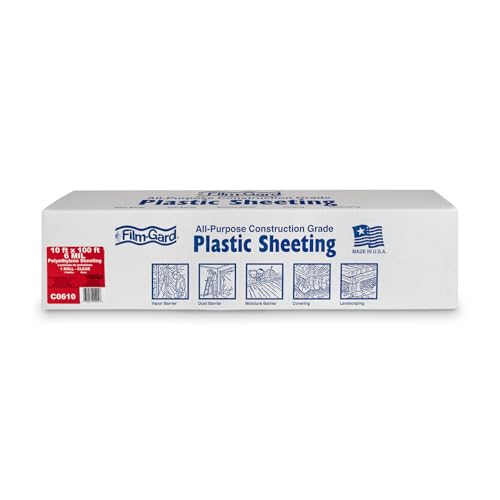
A proper containment setup includes plastic sheeting taped to walls and floors, a decontamination corridor for workers, and a HEPA‑rated vacuum for cleanup. Skipping any of these elements turns a small repair into a whole‑house contamination event.

Using Inadequate Personal Protective Equipment
Wearing a simple dust mask or a surgical mask does not filter asbestos fibers, which are far smaller than typical construction dust. The minimum respiratory protection for any disturbance is a half‑face respirator equipped with a P100 (or N100) filter, fit‑tested to the wearer.
In addition to respiratory protection, disposable coveralls with sealed wrists and ankles, double‑gloving, and goggles are required. Reusing contaminated PPE or removing it inside the work area defeats the purpose and can carry fibers to clean zones.
Improper Waste Handling and Disposal
Bagging asbestos debris in regular contractor bags and tossing them in the household trash is illegal in most jurisdictions and creates a long‑term exposure risk for sanitation workers. Asbestos waste must be double‑bagged in 6‑mil polyethylene, sealed with tape, labeled, and transported to a licensed disposal facility.
Homeowners often underestimate the volume of waste generated by a modest removal project. Planning for the correct number of bags, arranging a certified hauler, and keeping disposal receipts are essential steps that protect both the household and the community.

Neglecting Post‑Removal Verification
After the visible material is gone, many DIYers assume the job is finished. However, residual fibers can remain on surfaces, in ductwork, and on tools. Without a clearance inspection that includes visual examination and air sampling analyzed by an accredited lab, there is no proof the area meets acceptable levels.
A qualified inspector will perform a final visual check, run aggressive air sampling for a set period, and issue a clearance certificate. Skipping this step leaves the homeowner vulnerable to future liability and ongoing health concerns.
FAQ
Can I rely on a home asbestos test kit instead of a professional inspection?
Home kits can indicate the presence of asbestos but often lack the sampling rigor and chain‑of‑custody documentation that accredited labs require. For any renovation or removal plan, a professional inspection provides a legally defensible report and ensures the sample represents the material you will disturb.
What is the minimum respiratory protection for handling asbestos?
A half‑face respirator equipped with a P100 or N100 filter, fit‑tested to the user, is the minimum. Simple dust masks or surgical masks do not filter the microscopic fibers released during disturbance.
How should asbestos waste be packaged for disposal?
Place debris in a 6‑mil polyethylene bag, seal it, then place that bag inside a second identical bag and seal again. Label each bag as asbestos waste and transport to a licensed disposal facility using a certified hauler.
Is a visual check enough after removal?
No. Residual fibers can remain invisible. A clearance inspection that includes aggressive air sampling analyzed by an accredited laboratory is required to confirm the area meets acceptable fiber levels.
This article provides general guidance only; it does not replace a site‑specific assessment by a licensed asbestos professional. If you suspect asbestos in materials you plan to disturb, contact a certified inspector or abatement contractor before proceeding.
References
- Protect Your Family from Exposures to Asbestos. U.S. Environmental Protection Agency
These statements have not been evaluated by the Food and Drug Administration. This information is not intended to diagnose, treat, cure, or prevent any disease. Content is for informational purposes only and is not medical advice; consult a qualified healthcare provider before starting any supplement. As an Amazon Associate we earn from qualifying purchases.
