Homeowners often discover asbestos during renovations, inspections, or after a property purchase. Understanding the potential expense of identifying and safely removing asbestos helps you budget realistically and decide whether a do‑it‑yourself approach is appropriate.
This guide breaks down typical price ranges for testing, containment, removal, and disposal, outlines the tasks you can safely handle yourself, and highlights the situations where a licensed abatement professional is the only responsible choice.
- DIY testing kits either bundle the laboratory fee into the purchase price or charge it per sample on top of a lower sticker, so compare them on the all-in cost; plan for multiple samples if several materials are suspect.
- Non‑friable, intact asbestos can often be managed in place or encapsulated for $40‑$120 per gallon of sealant.
- Professional removal of friable asbestos typically starts around $2,500 for a modest area and rises sharply with project size and permit requirements.
- Permits, clearance testing, and disposal fees add $600‑$2,000 to most professional jobs.
- Only licensed, insured abatement contractors should handle friable or large‑scale asbestos work.
What Asbestos Looks Like and Where It Hides
Asbestos was used in thousands of building products before the 1980s, including insulation, floor tiles, roofing shingles, textured ceiling coatings, and pipe wrap.[1] It is most dangerous when fibers become airborne, which can happen during demolition, sanding, or even routine wear.
Visual inspection alone cannot confirm asbestos; many materials look identical to non‑asbestos versions. If your home was built or renovated before 1990, treat suspect materials as potentially hazardous until laboratory analysis says otherwise.
DIY Identification and Testing Costs
A homeowner can collect bulk samples using a simple kit that includes a sealed container, gloves, and a prepaid lab mailer. Some kits bundle the laboratory analysis into the purchase price, while others advertise a lower sticker and charge for each sample separately, with faster turnaround costing more. Check which structure a kit uses before comparing it against another.
If you need multiple samples, for example from different rooms or material types, price a multi-sample kit against a cheaper single-sample kit plus its per-sample laboratory fees. The lower sticker is not always the lower total. Remember that improper sampling can release fibers, so follow the kit instructions exactly and wet the material before cutting.
What You Can Safely Do Yourself
Limited, non‑friable asbestos — such as intact vinyl floor tiles or sealed roof shingles — may be left in place if they are undamaged and not slated for disturbance. Encapsulation with a specialized sealant (often a water‑based acrylic or epoxy) can be a DIY project; sealant products cost $40‑$120 per gallon and cover roughly 200‑300 square feet.

Removing small amounts of non‑friable material (under 10 square feet) is sometimes permitted for homeowners, provided you use a HEPA‑rated vacuum, disposable coveralls, a half‑face respirator with P100 filters, and wet‑methods to suppress dust. Expect to spend $200‑$500 on personal protective equipment (PPE) and disposal bags.
Professional Abatement Cost Breakdown
Licensed contractors charge by the project scope, not by the hour. A typical residential removal of 200‑500 square feet of friable insulation or popcorn ceiling ranges from $2,500 to $7,500, including containment setup, negative‑air enclosures, HEPA filtration, and certified waste disposal.
Larger jobs — whole‑house pipe insulation, boiler wrap, or extensive floor tile removal — can exceed $15,000. Permits, notification fees, and third‑party clearance testing add $300‑$1,200 depending on local regulations.[2]
Hidden Costs and Permit Considerations
Many municipalities require a permit for any asbestos disturbance, and the permit fee is often based on the square footage of material removed. Failure to obtain a permit can result in fines that far exceed the original project cost.

Post‑removal clearance testing by an independent hygienist is usually mandatory before re‑occupancy. Budget $300‑$800 for this final verification, and factor in potential temporary relocation expenses if the work area includes living spaces.
Choosing a Qualified Contractor
Verify that the company holds a current state asbestos abatement license and carries liability insurance specific to hazardous materials. Ask for references from similar residential projects and request a written scope of work that includes containment, air monitoring, and waste manifest documentation.
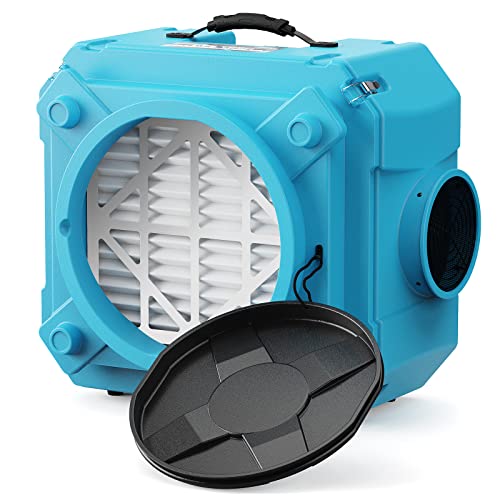
Avoid contractors who quote a flat “per‑square‑foot” price without a site visit; accurate pricing requires an on‑site assessment of material type, condition, and access constraints.
FAQ
Can I legally remove asbestos myself?
In many jurisdictions homeowners may remove small amounts of non‑friable asbestos (often under 10 square feet) if they follow strict wet‑method and PPE guidelines. Friable asbestos or larger quantities almost always require a licensed abatement contractor.
How long does professional asbestos removal take?
A typical residential project of 200‑500 square feet takes one to three days for containment, removal, and cleanup, plus an additional day for clearance testing. Larger or more complex jobs can extend to a week or more.
What should I do if I accidentally disturb asbestos?
Stop work immediately, isolate the area, wet the material to reduce airborne fibers, and contact a licensed asbestos professional for assessment and safe cleanup. Do not attempt to sweep or vacuum dry debris.
Does homeowners insurance cover asbestos removal?
Standard policies usually exclude asbestos abatement unless the material was damaged by a covered peril such as a fire or storm. Review your policy and speak with your insurer before starting any work.
This guide provides general cost ranges and procedural overviews; it does not replace a site‑specific assessment by a licensed asbestos professional. If you suspect friable asbestos, plan to disturb more than a few square feet, or are unsure about local regulations, hire a certified abatement contractor before proceeding.
References
- Learn About Asbestos. U.S. Environmental Protection Agency
- Overview of the Asbestos National Emission Standards for Hazardous Air Pollutants (NESHAP). U.S. Environmental Protection Agency, 40 CFR Part 61 Subpart M
These statements have not been evaluated by the Food and Drug Administration. This information is not intended to diagnose, treat, cure, or prevent any disease. Content is for informational purposes only and is not medical advice; consult a qualified healthcare provider before starting any supplement. As an Amazon Associate we earn from qualifying purchases.
