Asbestos mitigation is a significant expense for many homeowners, but the decision to test and remove asbestos-containing materials often comes down to balancing upfront costs against long-term health and property risks. This guide breaks down typical price ranges, hidden expenses, and the practical factors that determine whether mitigation makes financial sense for your situation.
We focus on real-world numbers and honest limitations: what you can safely handle yourself, where professional work is non-negotiable, and how to evaluate the return on investment without relying on scare tactics or vague promises.
- Professional testing ($200–$800) is the essential first step; DIY kits only confirm content, not risk.
- Removal costs $1,500–$30,000+ depending on scope; encapsulation is cheaper but requires ongoing maintenance.
- DIY removal is only viable for small, non-friable, intact materials — friable asbestos always requires a licensed pro.
- Documented abatement improves resale value, eases insurance, and satisfies disclosure laws.
- Build a 15–20% contingency for hidden asbestos found during work.
Typical Cost Ranges for Testing and Removal
Professional asbestos testing usually costs between $200 and $800 for a standard residential inspection, depending on the number of samples and lab turnaround time. DIY test kits differ in how they price the laboratory work: some bundle the analysis into one price, while cheaper-looking kits charge a laboratory fee for each sample on top of the sticker. Either way, they only tell you whether a specific sample contains asbestos. They do not assess the condition of the material or the risk of fiber release.
Removal costs vary widely. A small, contained job like removing asbestos vinyl floor tiles in a single bathroom might start around $1,500 to $3,000. Whole-house abatement involving pipe insulation, popcorn ceilings, and ductwork can exceed $20,000 to $30,000. Encapsulation (sealing the material in place) is often cheaper — roughly 30% to 50% of removal costs — but is only appropriate when the material is intact and unlikely to be disturbed.
Additional expenses include permit fees ($50–$300), disposal charges ($10–$50 per cubic yard at approved landfills), and post-removal clearance testing ($300–$600). Always request a detailed, itemized quote that separates labor, materials, disposal, and testing so you can compare bids accurately.
DIY vs. Professional: What You Can and Cannot Do
Homeowners can legally collect samples for lab analysis in most states, provided they follow strict safety protocols: wet the material, use a HEPA-filtered respirator (N100 or P100), disposable coveralls, and double-bag waste. However, sampling disturbs the material, so if you are unsure about proper technique, hiring a certified inspector is safer and often not much more expensive.
DIY removal is generally limited to non-friable materials in good condition — such as intact asbestos cement siding or vinyl floor tiles — and only when the area is small (typically under 10 square feet). Even then, you must isolate the work zone with plastic sheeting, use negative-pressure enclosures, wet methods, and HEPA vacuums. Most states require notification and disposal at designated facilities; skipping these steps can lead to fines and contamination.

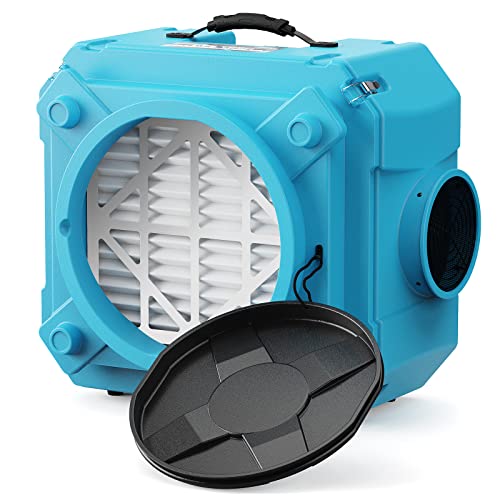
For friable materials (pipe wrap, sprayed-on insulation, damaged popcorn ceiling), professional abatement is effectively mandatory. Licensed contractors use sealed containment, air filtration devices, decontamination units, and trained crews with medical monitoring. Attempting this work without certification exposes you, your family, and future occupants to airborne fibers and legal liability.

Health Risk Reduction: What the Investment Buys You
The primary benefit of mitigation is reducing the chance of asbestos fibers becoming airborne. Intact, undisturbed asbestos materials pose minimal immediate risk; the danger arises during renovation, deterioration, or accidental damage. Professional removal eliminates the source entirely, while encapsulation controls it as long as the seal remains intact [1].
There is no definitive study quantifying the exact reduction in lifetime disease risk from a single residential abatement project, because exposure levels, duration, and individual susceptibility vary widely. However, health agencies consistently state that minimizing any avoidable asbestos exposure is prudent, especially in homes with children, elderly residents, or planned renovations.
If you plan to stay in the home for decades, the cumulative risk reduction from removal may justify the cost. If you intend to sell soon, a documented abatement can simplify negotiations and avoid buyer demands for price reductions or escrow holdbacks.
Property Value, Insurance, and Resale Considerations
A home with known asbestos that has been professionally abated and cleared typically sells faster and at a higher price than one with unresolved issues. Buyers and lenders often require proof of remediation before closing. Some insurers may charge higher premiums or exclude coverage for asbestos-related claims if the material remains in place.
Disclosure laws vary by state, but most require sellers to report known asbestos hazards. Proactive mitigation with proper documentation (inspection report, abatement contract, clearance certificate) turns a potential liability into a selling point. Keep all paperwork organized for future transactions.
Conversely, incomplete or poorly documented DIY work can raise red flags during inspections, leading to costly re-abatement or lost deals. If you choose professional work, verify the contractor’s license, insurance, and references, and insist on a third-party clearance test — not one performed by the abatement company itself.
Hidden Costs and Long-Term Maintenance
Encapsulation requires ongoing monitoring. The sealant can degrade from moisture, vibration, or physical impact, potentially re-exposing fibers. Budget for periodic visual inspections (every 1–2 years) and possible re-encapsulation, which adds recurring cost.
Removal projects often uncover additional asbestos in adjacent areas — for example, opening a wall to remove pipe insulation may reveal contaminated duct tape or electrical wiring. Build a 15%–20% contingency into your budget for unforeseen findings.
If you delay mitigation, future renovation costs will include abatement as a line item. Integrating removal into a planned remodel (kitchen, bathroom, basement finish) can share containment and disposal costs, reducing the per-project expense.
Making the Decision: A Practical Framework
Start with a professional inspection to confirm presence, condition, and location of asbestos. Use the results to map high-risk areas (friable, damaged, or in planned renovation zones) versus low-risk areas (intact, non-friable, out of reach).

Get at least three detailed quotes from licensed abatement contractors. Compare not just total price but scope: does it include permits, disposal, clearance testing, and a warranty on encapsulation? Ask for recent references and verify state licensing.
Weigh the total cost against your timeline, health priorities, and financial capacity. If the material is stable and you have no renovation plans, monitoring with periodic professional checks may be a reasonable interim strategy. If fibers are already releasing or work is imminent, removal is the only responsible choice.

FAQ
Can I test for asbestos myself and save money?
You can collect samples with a DIY kit for a small fraction of the cost of a professional inspection, but you must follow strict safety steps to avoid releasing fibers. A professional inspection ($200–$800) also evaluates material condition and risk, which a kit cannot do.
Is encapsulation a permanent fix?
No. Encapsulation seals asbestos in place but the barrier can fail over time due to moisture, vibration, or damage. It requires periodic inspection and possible reapplication, adding long-term cost.
Will my homeowners insurance cover asbestos removal?
Most standard policies exclude asbestos abatement unless it results from a covered peril (e.g., storm damage). Check your policy and discuss with your agent; some insurers offer endorsements for environmental hazards.
How do I know if a contractor is properly licensed?
Ask for their state asbestos abatement license number and verify it on your state’s environmental or labor department website. Confirm they carry pollution liability insurance and request references from recent residential jobs.
What happens if I ignore asbestos in my home?
If the material is intact and undisturbed, the immediate risk is low. However, any future renovation, water damage, or deterioration can release fibers. You also assume full disclosure liability when selling.
This article provides general cost guidance and practical considerations, not medical or legal advice. Asbestos regulations vary by state and locality; always verify current requirements with your health department. For any friable material, damaged asbestos, or planned disturbance, hire a licensed asbestos professional — improper handling can increase exposure risk and legal liability.
References
- Protect Your Family from Exposures to Asbestos. U.S. Environmental Protection Agency
These statements have not been evaluated by the Food and Drug Administration. This information is not intended to diagnose, treat, cure, or prevent any disease. Content is for informational purposes only and is not medical advice; consult a qualified healthcare provider before starting any supplement. As an Amazon Associate we earn from qualifying purchases.
