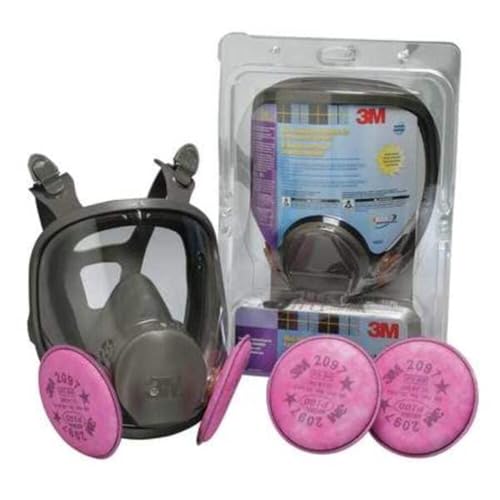
Asbestos exposure during pregnancy doesn’t have as extensively documented a specific fetal risk pathway as lead does, but general precaution remains reasonable.
- Asbestos lacks as extensively documented a specific fetal risk pathway as lead.
- Its primary documented risks relate to the exposed individual’s own long-term respiratory health.
- General precaution during pregnancy remains reasonable given asbestos’s serious disease associations.
- Avoid DIY work disturbing suspect materials during pregnancy, and stay away from any active disturbance work.
Limited Pregnancy-Specific Research
Asbestos’s primary documented health risks (mesothelioma, lung disease) relate to the exposed individual’s own long-term respiratory health rather than a specifically documented fetal transmission pathway the way lead’s placental crossing is established.
General Precaution Remains Reasonable
Given asbestos’s serious disease associations generally, minimizing any avoidable exposure during pregnancy is a reasonable general precaution, similar to the general prudence recommended for other environmental exposures even without a specifically documented pregnancy pathway.

Practical Precautions
Avoid any DIY work disturbing suspect materials during pregnancy specifically, and if renovation work must occur in the home, ensure a pregnant household member is away from the property during and immediately after any material disturbance.

Sequencing Work Around a Pregnancy
The practical advice above is largely about avoidance, and avoidance is much easier when work is scheduled rather than reactive. If a renovation touching suspect material is planned and is not urgent, the timing of it is a decision you get to make. Testing suspect materials early, well before any work is scheduled, is what makes that decision an informed one instead of a guess, because it tells you whether the question even arises.
Where work cannot be deferred, the useful distinction is between work that disturbs suspect material and work that does not. Those parts can often be sequenced separately, so that the disturbance happens during a period when the household member who is pregnant is away, and the remaining work happens around it. A contractor can usually accommodate this if it is raised while the schedule is being set rather than afterward.
Thinking About the Whole Household
Being away from the property during and immediately after disturbance is straightforward to say and easy to underestimate. It is worth confirming what immediately after actually means for your specific job, which depends on the containment used and on whether clearance testing is part of the work. The contractor and whoever performs clearance can tell you when reoccupancy is appropriate, and that answer is more reliable than a general rule.
It is also worth thinking past the one person. Other household members, children and pets are in the same building and benefit from the same arrangements, so a plan built around a single person’s absence may be solving less of the problem than it appears to. Any question about what a specific exposure might mean for a specific pregnancy belongs with your physician or OB-GYN, who can weigh it against your own circumstances.
FAQ
Is asbestos exposure during pregnancy as specifically documented a risk as lead exposure?
Not to the same extent — asbestos’s primary documented risks relate to the exposed individual’s own respiratory health rather than a specifically established fetal pathway, though general precaution remains reasonable.
Should planned renovation be postponed until after a pregnancy?
Where work is discretionary and involves disturbing suspect material, deferring it is a reasonable option to weigh. Testing first tells you whether the question applies to your materials at all.
How long should someone stay away after disturbance work?
That depends on the containment used and on whether clearance testing is part of the job. Ask the contractor and whoever performs clearance rather than applying a general figure.
For specific health questions related to pregnancy and asbestos exposure, consult your physician or OB-GYN directly.
These statements have not been evaluated by the Food and Drug Administration. This information is not intended to diagnose, treat, cure, or prevent any disease. Content is for informational purposes only and is not medical advice; consult a qualified healthcare provider before starting any supplement. As an Amazon Associate we earn from qualifying purchases.