If you’ve chosen to leave confirmed intact asbestos-containing material in place (a common, professionally-supported approach), ongoing monitoring matters.
- Periodically check confirmed materials for new damage or deterioration.
- Keep documented records of testing results and material locations for future reference.
- Renovation plans, new damage, or water intrusion near a confirmed material should trigger reassessment.
- Documentation is valuable for future renovation planning and resale disclosure.
Regular Visual Monitoring
Periodically check confirmed materials for new damage, deterioration, or disturbance — catching changes early lets you address them (professional repair, targeted removal) before broader exposure risk develops.
Documentation for Future Reference
Keep records of what materials were tested, results, and their locations, ideally including photos — this documentation is valuable for future renovation planning, resale disclosure, and your own ongoing monitoring reference.
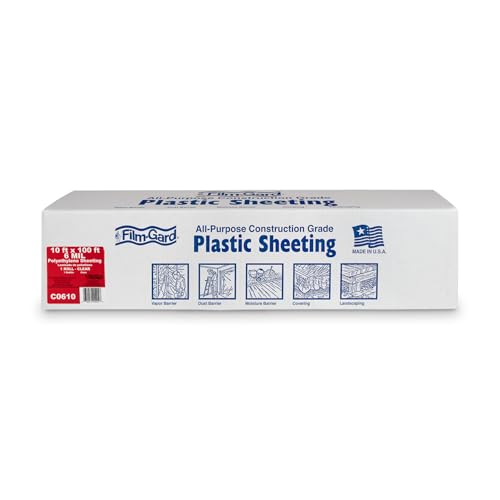
What Triggers Reassessment
Any planned renovation affecting a confirmed material’s area, new visible damage, or water intrusion near a confirmed material (which can affect material stability) should trigger professional reassessment rather than continued passive monitoring alone.
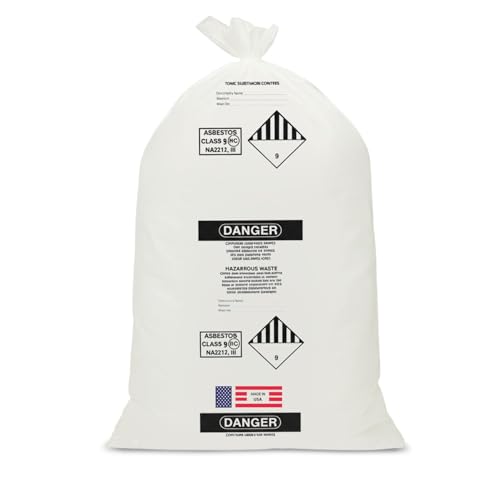
Setting a Routine You Will Actually Keep
Monitoring fails quietly when it depends on remembering. Attaching the check to something already in your calendar, such as a seasonal maintenance round or a filter change, is far more reliable than an intention to look in from time to time. What matters is that the interval is regular and that it survives a busy year.
The check itself is short. You are confirming that the material is where your record says it is and that its condition matches what you noted last time. If the area sits behind a panel, in a crawl space, or is otherwise awkward to reach, note that in your record too, so the difficulty does not quietly become a reason to skip it.
Telling the People Who Work on Your House
The most common way intact material gets disturbed is a trade opening an area without knowing what is there. Anyone quoting or carrying out work that touches the relevant area needs to be told before they begin, and telling them at the quoting stage means it gets priced and planned rather than discovered.
Consider leaving a note where the material is, in addition to your file. A label inside a service panel or on a hatch reaches whoever opens it, including people you never spoke to and whoever owns the house after you. Your own records only help people who know to ask for them.
FAQ
Do I need to do anything ongoing if I’ve decided to leave confirmed asbestos material in place?
Yes — periodic visual monitoring for new damage or deterioration, and keeping documentation of what was tested and where.
What if I cannot reach the material to check it safely?
Do not create access by opening or moving anything to get a look, since that risks causing the disturbance you are trying to avoid. Where a material sits somewhere you cannot inspect without disturbing it, note that limitation in your record and raise it with a licensed professional, who can advise whether periodic inspection is practical or whether another approach fits better.
Leaving intact material in place is a reasonable, professionally-supported choice, but it requires ongoing attention, not indefinite neglect.
These statements have not been evaluated by the Food and Drug Administration. This information is not intended to diagnose, treat, cure, or prevent any disease. Content is for informational purposes only and is not medical advice; consult a qualified healthcare provider before starting any supplement. As an Amazon Associate we earn from qualifying purchases.
